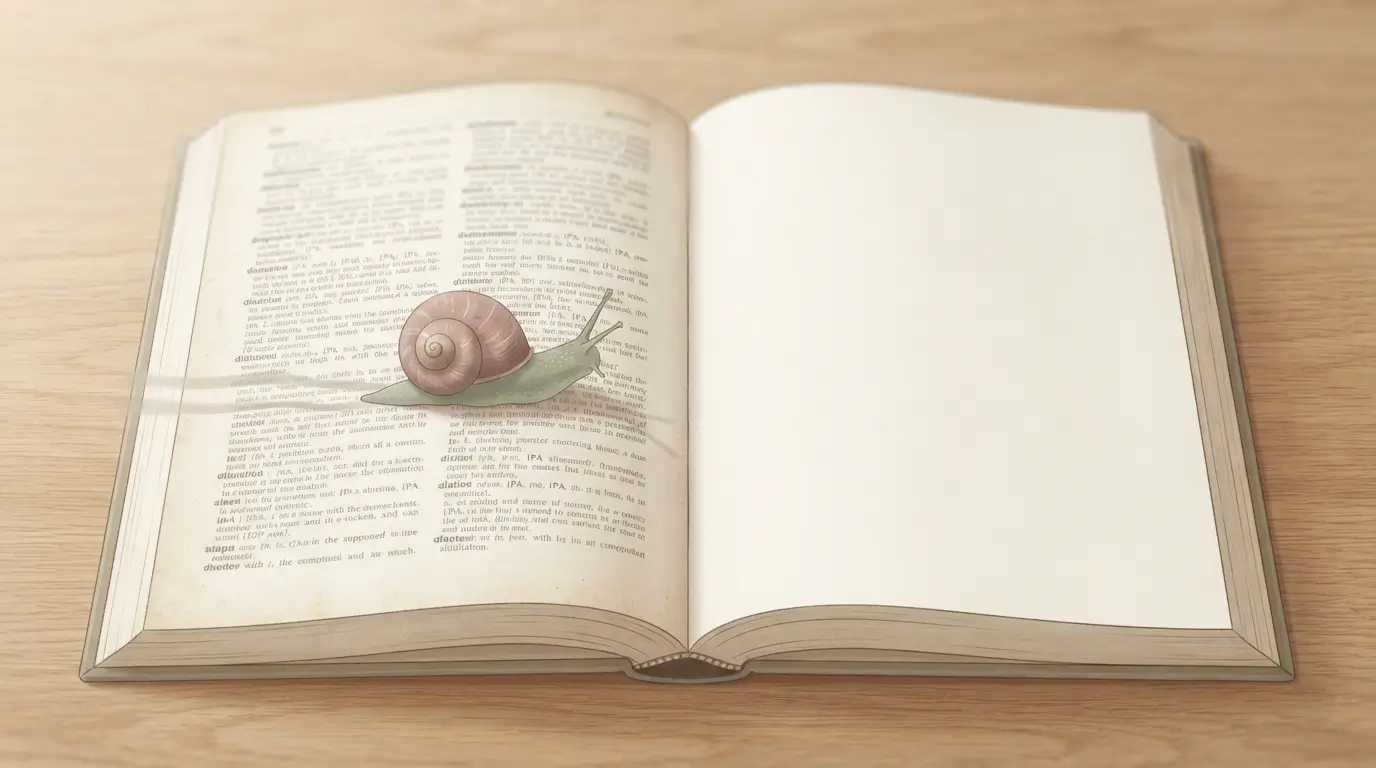
Synonyms for slow are words that describe something moving at a low speed, taking too much time, or lacking quick thought. When you search for synonyms for slow, you usually want a fresh word to replace “slow” in a sentence, essay, or email. This guide gives you exactly that, along with clear meanings and simple examples so you never sound repetitive again.
Picture this: you are writing a story about a turtle crossing a garden. You write “the turtle moved slow” three times in one paragraph. It feels flat and boring. That is the moment every writer, student, and blogger runs into. The word “slow” is useful, but it gets tired fast when you use it again and again.
“Words are the only currency that never loses its value when spent wisely.”
In simple English, “slow” means something takes a long time to happen, move, or finish. A slow car does not go fast. A slow reader takes longer to finish a book. This one small word can describe speed, thinking, or even a whole mood in a story.
“The right word at the right time is worth more than a thousand ordinary ones.”
Learning new words for slow helps students write better essays, helps bloggers keep readers interested, helps content writers rank higher on Google, and helps daily English users speak with more confidence. A slow habit of repeating the same word can be fixed with a fast fix: a strong vocabulary list like this one. Below, you will find every angle covered, from formal synonyms to slang, from slow-moving objects to slow-thinking people.
Slow Synonyms
Slow synonyms are simply other words you can use instead of “slow” in any sentence. English gives you many choices depending on tone. Some words sound formal, some sound casual, and some fit poems or stories better than daily talk.
Choosing the right synonym depends on what you are describing. A slow car needs a different word than a slow decision. That is why a full list matters more than just one or two options.
Using varied slow synonyms also improves your writing score in school and boosts SEO ranking for blog content, since search engines reward natural word variety over repeated keywords.
- Common words include sluggish, leisurely, and gradual.
- Formal writing prefers words like dilatory or languid.
- Casual speech often uses poky or dawdling.
Another Word For Slow Person
When people search for another word for slow person, they usually mean someone who takes their time, reacts late, or thinks carefully before acting. This can describe physical speed or mental speed, so context matters a lot here.
It is important to stay respectful when describing a person as slow. Many of these words are neutral and simply describe pace, not intelligence or worth. Words like “unhurried” or “easygoing” even carry a positive, calm meaning.
Writers often use these words in character descriptions, workplace reviews, or casual conversation to avoid sounding harsh while still being clear.
- Neutral options: unhurried, deliberate, easygoing.
- Descriptive options: laggard, dawdler, plodder.
- Positive framing: relaxed, calm, steady.
Very Slow Synonyms Formal
Very slow synonyms formal words are needed for reports, academic essays, business emails, and professional writing. Casual slang does not fit in a formal letter, so a stronger, more polished word choice is required.
Formal English often borrows longer or Latin-based words. These sound more serious and are common in legal writing, science papers, and corporate documents.
Using formal synonyms correctly shows strong command of English and helps your writing sound professional and polished instead of childish or repetitive.
- Dilatory: often used in legal or business contexts.
- Languid: common in literature and formal description.
- Ponderous: used for heavy, slow-moving processes.
Slow Synonyms And Antonyms
Understanding slow synonyms and antonyms together helps you master the full range of speed-related vocabulary. Synonyms mean the same as slow, while antonyms mean the opposite, such as fast or quick.
Knowing both sides of a word improves your ability to describe contrast in writing, like comparing a fast runner to a slow one in the same paragraph.
This balance is especially useful for students preparing for exams, since English tests often ask for both synonym and antonym pairs.
- Synonyms: sluggish, gradual, leisurely.
- Antonyms: fast, quick, rapid.
- Usage tip: pair them for stronger contrast in writing.
Another Word For Someone Who Is Mentally Slow
Searching for another word for someone who is mentally slow usually means finding a respectful, neutral way to describe someone who needs more time to understand or process information. Kindness matters when choosing these words.
Some acceptable and neutral terms describe a person who is still learning a concept or takes longer to grasp new ideas, without sounding rude or offensive.
In professional or medical settings, gentler and more accurate phrases are always preferred over old-fashioned or hurtful labels.
- Neutral phrasing: slow to understand, slow learner.
- Descriptive terms: unperceptive, slow-witted (use carefully).
- Better alternative: still learning, needs more time.
Slow-Moving Meaning
The slow-moving meaning refers to anything that travels or progresses at a low speed. This can apply to traffic, rivers, animals, business deals, or even a slow-moving plot in a movie.
The phrase is widely used in news, business, and storytelling. A “slow-moving hurricane” means a storm that takes longer to pass through an area, which can actually increase damage.
Writers use slow-moving to describe pace in a gentle, descriptive way without sounding negative, since it simply states a fact about speed.
- Traffic example: slow-moving cars during rush hour.
- Nature example: a slow-moving river or glacier.
- Business example: a slow-moving negotiation or deal.
Very Slow Synonyms Slang
Very slow synonyms slang words are informal, fun, and common in everyday conversation, texting, or casual blog posts. These words add personality and humor to writing.
Slang terms are not appropriate for formal essays but work great in social media captions, casual dialogue, or friendly conversation between peers.
Using slang correctly makes your writing feel relatable and modern, especially for younger audiences or informal content.
- Poky: a playful way to say very slow.
- Snail-paced: a common comparison used in speech.
- Dragging: used when time or action feels slow.
Synonyms Of Slow-Moving
Synonyms of slow-moving describe anything that progresses gradually instead of quickly. These words work well for describing traffic, weather, animals, or long processes at work or school.
Choosing the right synonym depends on tone. “Creeping” feels more dramatic, while “gradual” feels calm and neutral, fitting different types of writing styles.
These words are especially useful for descriptive writing, news reports, and storytelling where pace needs to be shown clearly to the reader.
- Creeping: slow, often steady movement.
- Gradual: happening bit by bit over time.
- Plodding: heavy, tired, slow movement.
Comparison Table: Other Keywords At A Glance
| Keyword | Meaning | Usage Type | Context |
| Slow synonyms | General alternative words for slow | Neutral | Daily writing, general use |
| Another word for slow person | Describes a person’s slow pace or nature | Casual/Neutral | Conversation, character description |
| Very slow synonyms formal | Polished words for professional writing | Formal | Business, academic, legal writing |
| Slow synonyms and antonyms | Pairs slow words with fast opposites | Neutral | Education, vocabulary building |
| Another word for someone who is mentally slow | Respectful terms for slow understanding | Formal/Sensitive | Medical, educational, professional |
| Slow-moving meaning | Explains pace of objects or events | Neutral | News, business, nature writing |
| Very slow synonyms slang | Informal, casual speed words | Casual/Slang | Texting, social media, friendly talk |
| Synonyms of slow-moving | Words describing gradual movement | Neutral | Descriptive and narrative writing |
50 Synonyms For Slow (With Meaning And Examples)
1. Sluggish
Meaning: Sluggish means moving with very little energy or speed.
Examples: The traffic was sluggish after the heavy rain. My phone feels sluggish since the last update.
2. Leisurely
Meaning: Leisurely means relaxed and unhurried, done without rushing.
Examples: We took a leisurely walk along the beach. She enjoys a leisurely breakfast every Sunday.
3. Unhurried
Meaning: Unhurried means calm and taking as much time as needed.
Examples: He gave an unhurried answer to the question. Their unhurried pace made the trip more relaxing.
4. Gradual
Meaning: Gradual means happening slowly, little by little, over time.
Examples: There was a gradual improvement in her grades. The gradual change in weather surprised no one.
5. Lethargic
Meaning: Lethargic means feeling tired, weak, and without much energy.
Examples: I felt lethargic after eating a big lunch. The heat made the whole team feel lethargic.
6. Plodding
Meaning: Plodding means walking or working slowly and heavily.
Examples: The old horse kept plodding along the trail. He gave a plodding speech that lost the audience.
7. Dawdling
Meaning: Dawdling means wasting time instead of moving or working quickly.
Examples: Stop dawdling, or we will miss the bus. The kids were dawdling on their way to school.
8. Snail-paced
Meaning: Snail-paced means extremely slow, like the speed of a snail.
Examples: The internet connection here is snail-paced today. Work on the project has been snail-paced all week.
9. Torpid
Meaning: Torpid means inactive, sluggish, and lacking normal energy.
Examples: The bear stayed torpid through the cold winter. He felt torpid after staying up all night.
10. Lackadaisical
Meaning: Lackadaisical means lazy, careless, and without much interest.
Examples: Her lackadaisical attitude hurt her final grade. The team gave a lackadaisical effort in the second half.
11. Languid
Meaning: Languid means slow, relaxed, and lacking energy or urgency.
Examples: The afternoon had a languid, sleepy feeling. She spoke in a languid, calm voice.
12. Tardy
Meaning: Tardy means late or slow to arrive or happen.
Examples: He was tardy to class three times this week. The tardy response upset several customers.
13. Dilatory
Meaning: Dilatory means causing delay, often on purpose.
Examples: The company used dilatory tactics to avoid paying. His dilatory habits frustrated the whole office.
14. Creeping
Meaning: Creeping means moving slowly and quietly, bit by bit.
Examples: Prices have been creeping up all year. The fog was creeping across the valley.
15. Glacial
Meaning: Glacial means extremely slow, like the movement of a glacier.
Examples: The customer service response time was glacial. Progress on the new law has been glacial.
16. Ponderous
Meaning: Ponderous means heavy, slow, and awkward in movement or style.
Examples: The elephant made a ponderous walk to the water. His ponderous writing style bored the readers.
17. Indolent
Meaning: Indolent means lazy and unwilling to make an effort.
Examples: The indolent cat slept most of the day. His indolent behavior worried his manager.
18. Listless
Meaning: Listless means lacking energy and enthusiasm for anything.
Examples: She felt listless after being sick for days. The team looked listless during practice.
19. Slack
Meaning: Slack means slow, careless, or not busy right now.
Examples: Business has been slack since the holidays. His slack effort disappointed the whole group.
20. Delayed
Meaning: Delayed means made to happen later than planned.
Examples: Our flight was delayed by three hours. The delayed shipment finally arrived today.
21. Slow-moving
Meaning: Slow-moving means progressing or traveling at a low speed.
Examples: The slow-moving storm caused flooding in the town. Traffic was slow-moving during the entire commute.
22. Measured
Meaning: Measured means careful, steady, and not rushed at all.
Examples: She gave a measured response during the interview. He walked with a measured, confident pace.
23. Deliberate
Meaning: Deliberate means done slowly and carefully on purpose.
Examples: He took deliberate steps across the icy path. Her deliberate choice of words impressed everyone.
24. Methodical
Meaning: Methodical means careful, organized, and done step by step.
Examples: The detective was methodical in solving the case. Her methodical planning made the event a success.
25. Cautious
Meaning: Cautious means careful and slow to avoid danger or mistakes.
Examples: He was cautious while driving on the icy road. Investors stayed cautious during the market drop.
26. Gentle
Meaning: Gentle means soft, mild, and not sudden or fast.
Examples: A gentle breeze moved through the open window. She gave the baby a gentle, slow rock.
27. Moderate
Meaning: Moderate means average, not too fast and not too slow.
Examples: The car moved at a moderate speed downtown. He set a moderate pace for the long run.
28. Restrained
Meaning: Restrained means controlled, holding back from moving too fast.
Examples: Her restrained reaction surprised her friends. The coach gave a restrained, calm response to the loss.
29. Idle
Meaning: Idle means not active, not working, or standing still.
Examples: The machines sat idle over the weekend. He spent an idle afternoon watching the rain.
30. Dormant
Meaning: Dormant means inactive for now but able to become active later.
Examples: The volcano has been dormant for a century. Her creative talent stayed dormant for years.
31. Sleepy
Meaning: Sleepy means tired and slow, wanting to rest or sleep.
Examples: The sleepy town wakes up late every morning. He gave a sleepy nod during the long meeting.
32. Drowsy
Meaning: Drowsy means feeling tired and slow, close to falling asleep.
Examples: The medicine made her feel drowsy all afternoon. He felt drowsy after the heavy lunch.
33. Dull
Meaning: Dull means slow, boring, or lacking sharpness and speed.
Examples: The movie had a dull, slow-moving plot. Business was dull throughout the whole week.
34. Slow-witted
Meaning: Slow-witted means taking longer than usual to understand something.
Examples: He felt slow-witted after staying up all night. The character in the story was often slow-witted for comedy.
35. Obtuse
Meaning: Obtuse means slow to understand or notice something obvious.
Examples: He seemed obtuse about the hints she gave. Her obtuse response confused the whole class.
36. Dim
Meaning: Dim means slow to understand, or lacking a bright, quick mind.
Examples: He was not dim, just tired from the trip. The joke was too subtle for a dim audience.
37. Unhasty
Meaning: Unhasty means calm and not rushed in action or decision.
Examples: Her unhasty decision proved to be the right one. He remained unhasty while everyone else panicked.
38. Laggardly
Meaning: Laggardly means slow to act, move, or finish a task.
Examples: His laggardly pace annoyed the rest of the team. The laggardly reply came two weeks too late.
39. Stagnant
Meaning: Stagnant means not moving, growing, or changing at all.
Examples: Sales remained stagnant for the third quarter. The stagnant pond had no fish left in it.
40. Inert
Meaning: Inert means without movement, energy, or the ability to act.
Examples: The old machine sat inert in the corner. He felt inert after the long, tiring flight.
41. Easygoing
Meaning: Easygoing means relaxed, calm, and never in a rush.
Examples: Her easygoing nature made everyone feel comfortable. He has an easygoing approach to deadlines.
42. Relaxed
Meaning: Relaxed means calm, at ease, and free from rush or stress.
Examples: We spent a relaxed evening by the fire. His relaxed tone made the meeting less tense.
43. Comfortable-paced
Meaning: Comfortable-paced means moving at a speed that feels easy and calm.
Examples: We enjoyed a comfortable-paced hike up the hill. The class followed a comfortable-paced lesson plan.
44. Trudging
Meaning: Trudging means walking slowly with heavy, tired steps.
Examples: They kept trudging through the deep snow. He was trudging home after a long shift.
45. Lumbering
Meaning: Lumbering means moving in a slow, heavy, and clumsy way.
Examples: The lumbering truck struggled up the steep hill. A lumbering bear crossed the quiet road.
46. Crawling
Meaning: Crawling means moving forward very slowly, close to the ground or barely at all.
Examples: Traffic was crawling on the highway this morning. The baby was crawling across the living room floor.
47. Poky
Meaning: Poky means annoyingly slow, often used in casual speech.
Examples: This poky elevator takes forever to arrive. Her poky old car struggled up the hill.
48. Leaden
Meaning: Leaden means heavy and slow, like it is weighed down.
Examples: His leaden steps showed how tired he felt. The meeting had a leaden, dragging feeling.
49. Sedate
Meaning: Sedate means calm, slow, and without excitement or rush.
Examples: The town has a sedate, quiet lifestyle. She kept a sedate pace during the long walk.
50. Protracted
Meaning: Protracted means lasting longer than expected or normal.
Examples: The protracted negotiation lasted almost a year. Fans grew tired of the protracted delay.
Conclusion
Learning new synonyms for slow does more than fill up a vocabulary list. It improves your writing, blogging, speaking, and daily communication in real, noticeable ways. Instead of repeating “slow” again and again, you now have fifty strong words ready to use in any sentence, tone, or situation.
“A rich vocabulary is not about sounding smart, it is about being clearly understood.”
Try using a few of these words this week. Add “sluggish” to a work email, use “leisurely” in a weekend post, or try “gradual” in your next essay. Small changes in word choice make a big difference in how readers see your writing.
“Practice is the bridge between knowing a word and truly owning it.”
Keep this list close, use it in emails, essays, and daily conversations, and watch your English grow stronger with every new word you try.
“Every word you learn today becomes the sentence you write with confidence tomorrow.”
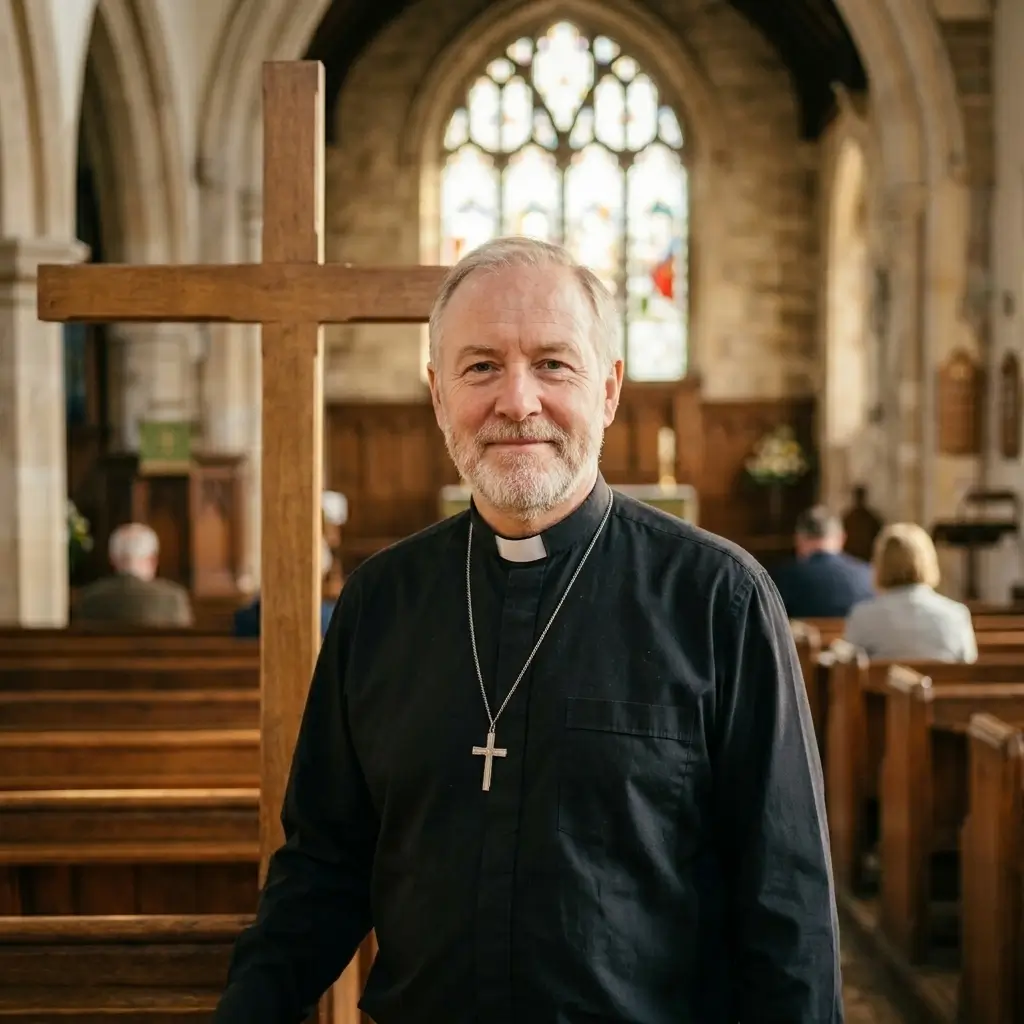
Brother Michael Reyes ek Catholic-inspired author hain jo forgiveness, family protection aur spiritual strength ke topics par likhte hain. Woh apne writings ke zariye logon ko God ke kareeb laane aur unki zindagi mein peace aur clarity dene ki koshish karte hain. Michael ki style simple aur heartfelt hai jo har reader ke dil ko choo leti hai.
👉 Discover his spiritual guidance on Prayerifi.