Synonyms for poor examples are words that replace “poor” with something clearer and stronger. Synonyms for poor examples help you describe a person, a place, or a quality without repeating the same tired word. Once you learn a few synonyms for poor examples, your writing instantly sounds sharper and more natural.
Think about the last time you wrote “the food was poor” or “he was very poor.” The word works, but it feels flat. It doesn’t paint a picture. A good writer knows that one small word change can make a sentence come alive. That’s exactly what this guide is for.
Words are the only tools that build without hands.
Picture a student writing an essay about poverty in a small village. She writes “the family was poor” five times in one paragraph. Her teacher circles every one and writes “vary your words!” in the margin. This happens to almost every writer at some point. The fix is simple: learn new words that mean the same thing but sound fresh each time.
A writer with one word is like a painter with one color.
In very simple English, poor means someone who does not have enough money, or something that is not good enough in quality. That’s it. Two meanings, one word. This guide covers both.
This list is useful for:
- Students who need to avoid repeating words in essays
- Bloggers who want their posts to sound fresh and readable
- Content writers who need variety for SEO and style
- Daily English users who want to speak and write more naturally
By the end of this post, you’ll have 50 new words ready to use in place of “poor,” plus clear explanations for related searches like “another word for poor person” and “very poor quality synonyms.”
Another Word for Poor Person
When we talk about a poor person, we usually mean someone without enough money to live comfortably. English gives us many gentle and direct ways to say this.
Some words are formal, like impoverished or disadvantaged. Other words are more casual, like broke or hard up. Choosing the right one depends on your audience and your tone.
- Needy someone who lacks basic things like food or money
- Destitute someone with almost nothing at all
- Underprivileged someone born with fewer chances in life
Synonyms for Poor Examples Slang
Slang words are casual and fun. People use them in daily talk, not in formal essays. These words for “poor” show up often in conversations, movies, and social media.
Slang keeps language alive. It changes fast and often reflects culture and humor. Using slang correctly can make your writing sound more relatable, especially for younger audiences.
- Broke having no money right now
- Skint a British slang word for having no money
- Strapped short on cash, usually for a short time
Synonyms for Poor Examples Funny
Sometimes we describe being poor in a funny or exaggerated way. These phrases are not meant to hurt anyone. They are jokes people use about their own empty wallets.
Funny words work well in casual blogs, social captions, or light conversations. They turn a common problem into something people can laugh about together.
- Dirt poor extremely poor, used humorously
- Flat broke having zero money left
- Living on fumes barely getting by financially
Poor Synonyms and Antonyms
Every word has an opposite. Knowing both synonyms and antonyms of “poor” helps you understand the word fully and use it with confidence in writing.
Synonyms give you more ways to say the same idea. Antonyms show the total opposite meaning. Together, they build a complete picture of the word “poor” in your mind.
- Synonyms: needy, impoverished, deprived
- Antonyms: wealthy, rich, prosperous
- Use: pick the right pair depending on the sentence’s meaning
Another Word for Poor in an Essay
Essays need formal language. Repeating “poor” again and again makes an essay look weak. Strong words show that the writer has good vocabulary control.
Teachers and examiners notice word variety. Using formal synonyms in an essay about poverty or quality shows maturity in writing and helps raise your score.
- Impoverished a formal word for extremely poor
- Deprived lacking basic needs or opportunities
- Disadvantaged having fewer resources or chances than others
Another Word for Poor as in Bad
“Poor” doesn’t always mean lacking money. It can also mean low quality, like “poor performance” or “poor weather.” These words replace “poor” when talking about bad quality.
This meaning shows up in reviews, reports, and daily complaints. Knowing these words helps you describe disappointment clearly without sounding rude or repetitive.
- Subpar below the normal or expected standard
- Inadequate not enough or not good enough
- Unsatisfactory not meeting expectations at all
Another Word for Poor Family
A poor family usually means a household struggling with money. These words describe families gently, without sounding harsh or judgmental.
Writers often need soft language when talking about real people’s struggles. These synonyms help keep the tone respectful while staying accurate and clear.
- Low income family a family earning very little money
- Struggling family a family finding it hard to manage expenses
- Working class family a family that works hard but earns modestly
Very Poor Quality Synonyms
When something is made badly or doesn’t work well, we call it poor quality. These words describe bad products, bad service, or weak results.
Reviewers, shoppers, and content writers use these words often. They help explain exactly what went wrong without repeating “poor” over and over.
- Shoddy poorly made and likely to break
- Substandard below the normal quality level
- Second rate not as good as the best option
Comparison Table: Synonyms for Poor at a Glance
| Keyword | Meaning | Usage Type | Context |
| Poor Person | Someone lacking money | Neutral/Formal | Daily life, society |
| Poor Slang | Casual word for no money | Casual | Conversations, texting |
| Poor Funny | Joking about no money | Humorous | Social media, jokes |
| Poor Antonyms | Opposite meanings of poor | Educational | Vocabulary building |
| Poor in Essay | Formal word for poverty | Formal | Academic writing |
| Poor as in Bad | Low quality or performance | Professional | Reviews, reports |
| Poor Family | A struggling household | Emotional | Family, community |
| Poor Quality | Badly made or weak result | Professional | Shopping, service |
50 Synonyms for Poor (With Meaning and Examples)
1. Needy
Meaning: This word describes someone who does not have enough money or basic things.
Examples:
- The charity gave food to needy families in the town.
- She always helps needy children during winter.
2. Impoverished
Meaning: This word means someone or a place has become very poor.
Examples:
- The war left the whole region impoverished.
- He grew up in an impoverished neighborhood.
3. Destitute
Meaning: This word means having almost nothing at all, not even basic needs.
Examples:
- The flood left many families destitute.
- She found the old man destitute and alone.
4. Penniless
Meaning: This word means having no money at all.
Examples:
- He arrived in the city penniless and hungry.
- The gambler left the casino penniless.
5. Broke
Meaning: This is a casual word for having no money right now.
Examples:
- I’m totally broke until payday.
- We were broke after paying the rent.
6. Indigent
Meaning: This formal word describes someone who is very poor and needs help.
Examples:
- The clinic offers free care to indigent patients.
- Many indigent workers lost their jobs last year.
7. Deprived
Meaning: This word means lacking things that people normally need.
Examples:
- The children came from a deprived background.
- She felt deprived of a proper education.
8. Underprivileged
Meaning: This word describes people who have fewer chances in life than others.
Examples:
- The school offers scholarships to underprivileged students.
- He grew up underprivileged but worked hard to succeed.
9. Disadvantaged
Meaning: This word means having less money, support, or opportunity than others.
Examples:
- The program helps disadvantaged youth find jobs.
- She came from a disadvantaged family.
10. Hard up
Meaning: This informal word means having very little money.
Examples:
- We were hard up after losing the business.
- He’s been hard up since the layoffs began.
11. Skint
Meaning: This is British slang meaning having no money.
Examples:
12. Below the Poverty Line
Meaning: This phrase describes people or a community whose income falls under the amount needed to meet basic living needs.
Examples:
- Aid workers reached a village where most families live below the poverty line.
- The novel is set in a town where many residents live below the poverty line.
13. Struggling
Meaning: This word means having a hard time managing money or life.
Examples:
- Many struggling families rely on food banks.
- The struggling farmer sold his land.
14. Cash strapped
Meaning: This word means not having enough money for expenses right now.
Examples:
- The cashstrapped company cut employee bonuses.
- We’re a bit cash strapped this month.
15. Low income
Meaning: This word describes people who earn very little money.
Examples:
- The housing project supports low income families.
- Many low income workers took a second job.
16. Bankrupt
Meaning: This word means a person or business has no money left to pay debts.
Examples:
- The company went bankrupt last year.
- He felt bankrupt after the failed investment.
17. Handtomouth
Meaning: This phrase means living with just enough money for daily needs.
Examples:
- They lived handtomouth for many years.
- A handtomouth life is exhausting and stressful.
18. Threadbare
Meaning: This word can describe poverty shown through wornout clothes or items.
Examples:
- He wore a threadbare coat all winter.
- Their threadbare furniture told a sad story.
19. Impecunious
Meaning: This formal word means having little or no money.
Examples:
- The impecunious artist sold paintings on the street.
- She married an impecunious but kind man.
20. Strapped
Meaning: This word means short on money for a period of time.
Examples:
- We’re strapped for cash right now.
- The team is strapped for funding this season.
21. Down and out
Meaning: This phrase describes someone who has lost everything, including money and hope.
Examples:
- He helped a down and out stranger find shelter.
- The story follows a down and out boxer.
22. Pauper
Meaning: This word describes a very poor person, often used in older writing.
Examples:
- The pauper begged for bread in the street.
- He died a pauper despite his early fame.
23. Insolvent
Meaning: This formal word means unable to pay debts owed to others.
Examples:
- The firm became insolvent after the crisis.
- Being insolvent forced them to sell the house.
24. Meager (financial sense)
Meaning: This word describes a very small amount, like income or savings.
Examples:
- He survived on a meager salary.
- Their meager savings ran out quickly.
25. Unfortunate
Meaning: This word can describe someone facing bad luck, including poverty.
Examples:
- The shelter cares for unfortunate families.
- She felt sorry for the unfortunate old man.
26. Substandard
Meaning: This word means something is below the normal quality level.
Examples:
- The hotel room was substandard and dirty.
- They complained about substandard service.
27. Inferior
Meaning: This word means lower in quality compared to something else.
Examples:
- The fake bag was clearly inferior.
- Customers noticed the inferior materials used.
28. Mediocre
Meaning: This word describes something average or not very good.
Examples:
- The movie got mediocre reviews.
- His performance was mediocre at best.
29. Subpar
Meaning: This word means below the expected standard.
Examples:
- The team delivered a subpar performance.
- The food quality was subpar last night.
30. Shoddy
Meaning: This word describes something badly made and likely to break.
Examples:
- The chair fell apart because of shoddy work.
- They sold shoddy products at a high price.
31. Deficient
Meaning: This word means lacking something important or needed.
Examples:
- The report was deficient in real data.
- His diet was deficient in vitamins.
32. Unsatisfactory
Meaning: This word means not good enough to meet expectations.
Examples:
- His grades were unsatisfactory this term.
- The service was unsatisfactory and slow.
33. Lacking
Meaning: This word means missing something needed or expected.
Examples:
- The plan was lacking in detail.
- Her explanation felt lacking and unclear.
34. Second rate
Meaning: This word describes something not as good as the best option.
Examples:
- They used second rate materials for the roof.
- The film felt like a second rate copy of a classic.
35. Low grade
Meaning: This word describes something of low quality or value.
Examples:
- The factory used low grade steel.
- He complained about the low grade coffee.
36. Lousy
Meaning: This casual word means very bad or unpleasant.
Examples:
- We had lousy weather during the trip.
- The service at that restaurant was lousy.
37. Faulty
Meaning: This word means something has a defect or doesn’t work right.
Examples:
- The faulty wiring caused a fire.
- She returned the faulty phone the next day.
38. Imperfect
Meaning: This word means not perfect, with small mistakes or flaws.
Examples:
- The plan was imperfect but still useful.
- Nobody is perfect, and neither is this imperfect draft.
39. Flawed
Meaning: This word describes something with clear weaknesses or mistakes.
Examples:
- The argument was flawed from the start.
- His logic seemed flawed to the judges.
40. Sorry (as in poor state)
Meaning: This word can describe something in a bad or pitiful condition.
Examples:
- The garden was in a sorry state after the storm.
- The old house looked sorry and forgotten.
41. Pitiful
Meaning: This word describes something so weak or small it makes people feel sorry.
Examples:
- The team’s effort was pitiful in the final match.
- His pitiful excuse fooled no one.
42. Scanty
Meaning: This word means too small in amount or size.
Examples:
- The meal portions were scanty and cold.
- They survived on scanty rations during the trip.
43. Sparse
Meaning: This word means thin or spread out, not full or rich.
Examples:
- The forest had sparse trees after the fire.
- Details in the report were sparse and vague.
44. Paltry
Meaning: This word means very small, often used for money or effort.
Examples:
- He received a paltry wage for his work.
- The refund was a paltry amount.
45. Miserable (as in poor condition)
Meaning: This word can describe something very poor in condition or comfort.
Examples:
- They lived in miserable conditions after the flood.
- The trip turned miserable due to bad planning.
46. Dismal
Meaning: This word means gloomy, weak, or disappointing.
Examples:
- Sales figures were dismal this quarter.
- The weather stayed dismal all week.
47. Abysmal
Meaning: This strong word means extremely bad, almost the worst possible.
Examples:
- The customer service was abysmal today.
- His grades were abysmal after missing classes.
48. Atrocious
Meaning: This word means shockingly bad or of very poor quality.
Examples:
- The handwriting on the form was atrocious.
- We had atrocious luck on our trip.
49. Terrible
Meaning: This common word means very bad or unpleasant.
Examples:
- The food at that place was terrible.
- He gave a terrible excuse for being late.
50. Wanting
Meaning: This word means not good enough or missing something important.
Examples:
- The plan was found wanting by the board.
- Her effort seemed wanting compared to last year.
Conclusion: Why Learning These Words Matters
Learning synonyms for poor examples does more than fill your vocabulary list. It changes how you write, speak, and connect with people. A strong vocabulary makes your writing clearer, your blogging more engaging, your speaking more confident, and your everyday communication smoother.
The right word at the right moment can change how a whole sentence feels.
Try using these words in your next email instead of “poor service.” Use them in your school essay instead of writing “poor family” five times. Practice them in daily conversations until they feel natural, not forced.
Practice turns new words into old friends.
Small changes in word choice build big habits over time. Pick three words from this list today and use them at least once. Before long, you’ll notice your writing sounds richer, and people will notice too.
Every strong writer started with a single new word.
Keep this list nearby, come back to it often, and let your vocabulary grow one synonym at a time.
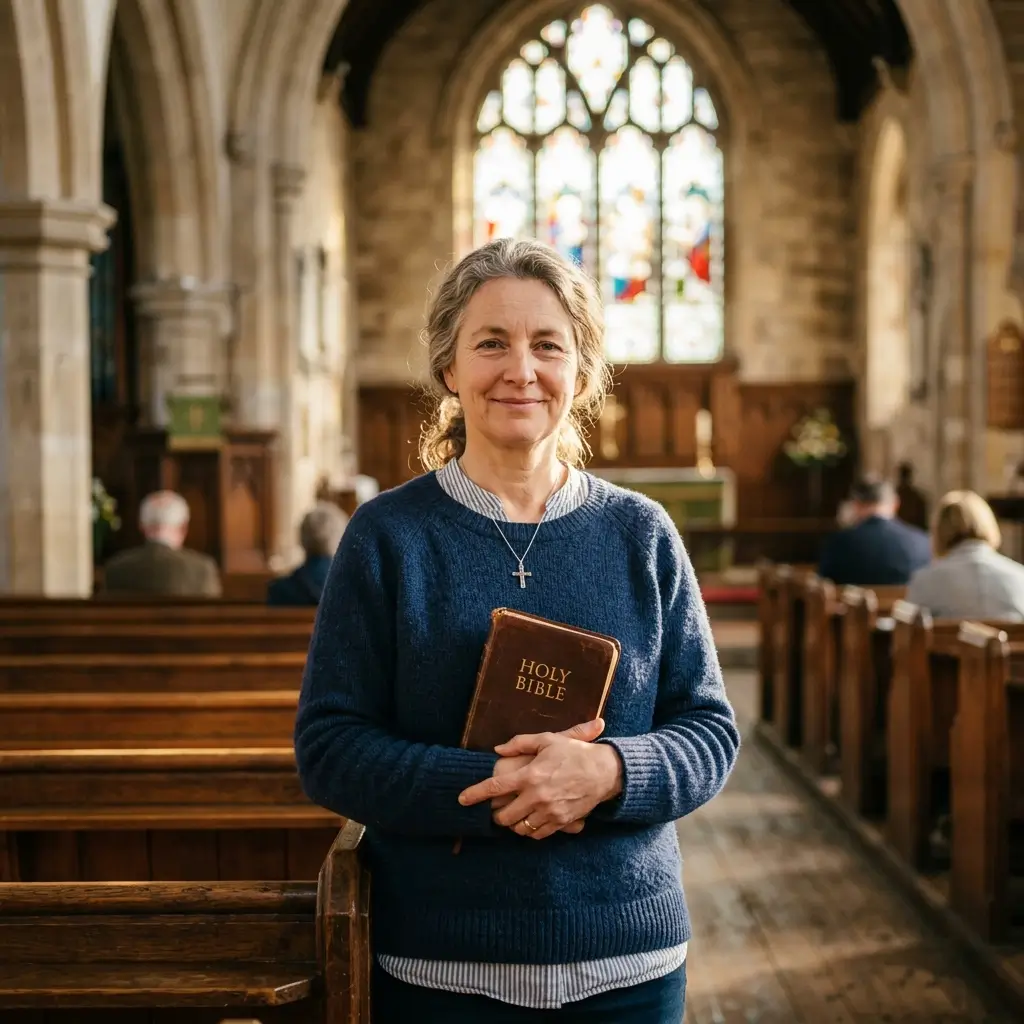
Rev. Grace Thomas ek compassionate aur faith-driven writer hain jo healing, gratitude aur divine guidance par focus karti hain. Unka mission hai logon ko prayers ke zariye hope aur shifa dena. Grace apne likhe hue words se readers ko inspire karti hain ke woh apni roohani journey mein mazboot rahen.
👉 Read her prayers and reflections on Prayerifi